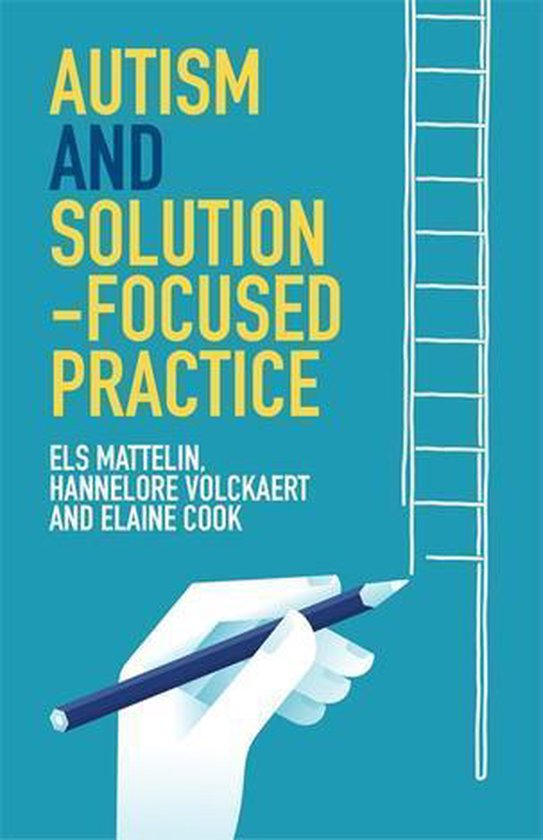
“Autism and Solution-focused Practice” by Hannelore Volckaert and Els Mattelin, published by Jessica Kingsley Pub. in 2017, is a comprehensive guide for professionals working with individuals with autism. The book is divided into two parts: theory and practice, offering both conceptual understanding and practical approaches.
The book begins with a detailed understanding of autism, emphasizing the unique worldview and needs of individuals with autism. The authors critique traditional diagnostic approaches, advocating for a solution-focused diagnosis that recognizes strengths and capabilities over limitations. They stress the importance of understanding the detailed, context-independent thinking patterns of people with autism, treating autism not as a disability but as a different way of being in the world.
In practice, the authors present the ‘D.I.F.F.E.R.E.N.T.’ framework, a dynamic guide for therapeutic interaction. This includes:
- Dealing with: Giving attention and accepting clients as they are.
- Increasing Competences: Building confidence and acknowledging strengths.
- Finding Goals: Identifying and concretizing clients’ goals.
- Following your Client: Adopting a ‘not-knowing’ stance and supporting clients’ directions.
- Exploring: Looking for strengths and potentials in clients’ lives.
- Resources and Respect: Utilizing internal and external resources and showing respect for clients.
- Explaining Communication: Using clear, direct communication.
- Normalizing: Helping clients see their experiences as normal and shared by others.
- Taking a First Step: Identifying and taking manageable steps towards goals.
The book highlights the importance of a solution-focused approach, which emphasizes equality, understanding, and an open mind towards clients’ unique talents and solutions. It also addresses the increasing need for support for adults with autism, extending beyond medical or psychological assistance to include help in everyday living.
In summary, “Autism and Solution-focused Practice” is an invaluable resource for therapists and other professionals. It offers a new perspective on autism, emphasizing a respectful, pragmatic approach and practical strategies for effective support. The book challenges traditional views, focusing on the potential and strengths of individuals with autism, making it a significant contribution to the field.

 The European Autist