Why happiness isn’t about achieving an ideal but about noticing the moments that resonate with who you are.
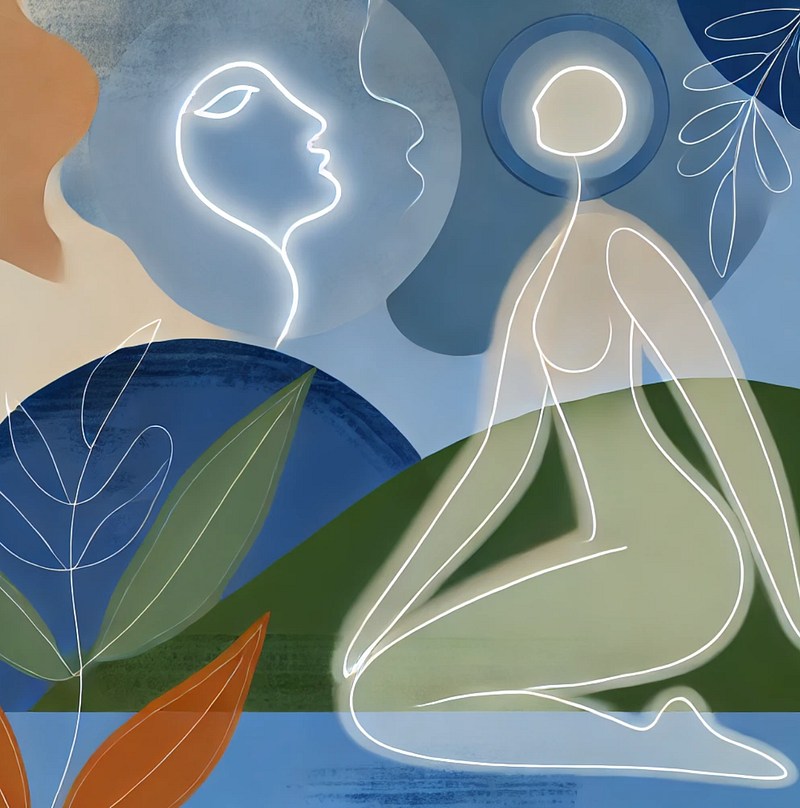
Living with autism is a journey of self-discovery, resilience, and growth. It shapes how I experience the world — sometimes in ways that are challenging, but often in ways that offer unique insights.
My path has not been without struggle, but it has taught me to embrace my differences and find fulfillment in unexpected places. This is a reflection on the complexities of living authentically as an autistic adult, balancing challenges with a sense of purpose and joy.
It’s okay if your emotions don’t always ‘show’ the way people expect. You’re still seen, still valid, and still worthy of connection
When My Face Says the Wrong Thing
One of the subtler, yet persistent, challenges I face is that my facial expressions don’t always align with how I feel. I might appear neutral when I’m deeply engaged or look upset when I’m perfectly content. This often leads to well-meaning but frequent questions like, “Are you okay?” or “Is something wrong?”
This disconnect isn’t about a lack of emotion — it’s about how my brain and body communicate those emotions. I feel deeply, but those feelings don’t always translate outwardly. It’s a reminder that understanding someone requires more than surface observations. For others with similar experiences, know this: it’s okay if your emotions don’t always “show” the way people expect. You’re still seen, still valid, and still worthy of connection.
The Complexity of School
School was not an easy environment for me. It was loud, overwhelming, and full of unspoken social rules that I couldn’t quite grasp. While others seemed to navigate it effortlessly, I often felt like I was struggling just to keep up. The experience left me with lingering feelings of inadequacy and stress.
Over time, I’ve come to understand that these struggles were not a reflection of my abilities but of a system that wasn’t designed for neurodivergent individuals. This is an important conversation we need to have — not to place blame, but to advocate for educational systems that nurture diverse ways of thinking and learning.
Flexibility, for me, is about navigating life with resilience. It’s the ability to find solutions that work for me in a world that often feels chaotic.
The Quiet Power of Flexibility
For much of my life, I believed that success meant striving for perfection. I worked tirelessly to meet expectations, both my own and those of others. But that pursuit was exhausting and, ultimately, unsustainable. What I’ve learned instead is the value of flexibility — not as a form of compromise, but as a way to adapt without losing myself.
Flexibility, for me, is about navigating life with resilience. It’s the ability to find solutions that work for me in a world that often feels chaotic. This doesn’t mean I’ve mastered every situation, but it does mean I’ve learned to approach challenges with a sense of curiosity rather than fear.
Happiness isn’t about achieving an ideal; it’s about noticing the moments that resonate with who you are.
Happiness in the Details
Happiness doesn’t always come in grand gestures or milestones. I’ve found that joy is often quiet, subtle, and deeply personal. A peaceful moment with a book, the rhythmic comfort of a routine, or the beauty of nature — these are the things that ground me and bring me contentment.
What I’ve realized is that happiness isn’t about achieving an ideal; it’s about noticing the moments that resonate with who you are. It’s about allowing yourself to find joy in ways that feel authentic to you.
Navigating a Noisy World
Noise is a constant presence in our lives, but for me, it can quickly become overwhelming. It’s not just about volume; it’s the complexity of overlapping sounds. A bustling café, for example, isn’t just background chatter — it’s a symphony of competing noises that my brain struggles to filter.
Managing this sensory overload requires intentionality. I’ve learned to set boundaries, use tools like noise-canceling headphones, and advocate for quieter spaces when I need them. These adjustments aren’t about avoiding the world; they’re about creating a space where I can fully engage with it on my terms.
In a world that often values conformity, the courage to embrace who you are can be transformative.
Embracing My Authentic Self
There was a time when I felt like I had to hide who I was. I tried to fit into societal expectations, masking my differences and striving to appear “normal.” But the cost of that was losing touch with myself. Over time, I’ve realized that authenticity isn’t a luxury — it’s a necessity.
Embracing my authentic self has meant acknowledging both my strengths and my limitations. It’s meant celebrating the unique ways my brain works — my attention to detail, my creativity, and my deep focus — and letting go of the need to conform to expectations that don’t align with who I am.
Honesty as a Guiding Principle
Honesty comes naturally to me. I don’t always pick up on the subtle nuances of social politeness, and I often feel uncomfortable bending the truth, even for the sake of social convention. While this directness can sometimes be misunderstood, it’s also one of my greatest strengths.
Honesty allows me to communicate clearly and build genuine connections. It’s not always easy to navigate the tension between being truthful and being tactful, but I’ve learned that authenticity, when paired with empathy, creates deeper and more meaningful relationships.
Sharing My Story to Inspire Others
As I’ve grown more comfortable in my own skin, I’ve felt a pull to share my experiences — not because I have all the answers, but because I believe in the power of connection. There’s value in knowing that you’re not alone, in hearing that someone else has walked a similar path.
My hope is that by sharing my story, I can encourage others to embrace their own journeys. We don’t need to fit into molds or meet every expectation to be worthy. Sometimes, the most important thing we can do is show up as our authentic selves.
The Strength in Being Different
Autism has taught me to see the world in ways that are often overlooked. It’s helped me find beauty in details, approach problems with creativity, and appreciate perspectives that challenge the norm. While the journey hasn’t always been easy, it’s shown me that my differences are a source of strength, not something to be hidden.
To anyone who feels out of place or unsure of their path: your uniqueness is your greatest asset. In a world that often values conformity, the courage to embrace who you are can be transformative. Your voice matters, your story matters, and your journey is enough — just as it is.

 The European Autist