Neurodiversity views autism as a natural variation, embracing strengths and struggles. Balancing acceptance, ethics, and inclusion fosters empathy and shared progress.
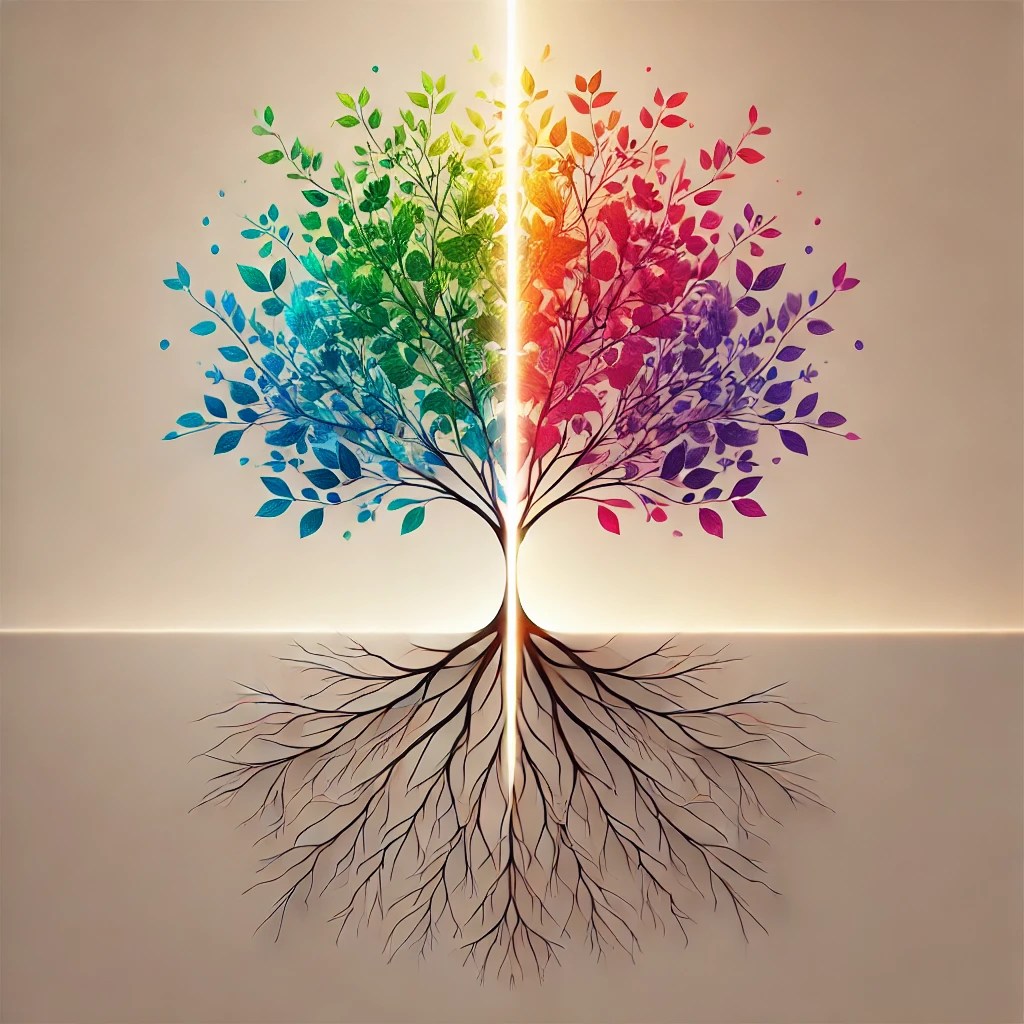
The concept of neurodiversity—regarding neurological differences such as autism or ADHD as natural variations within the human spectrum—has gained significant attention in recent years.
On one hand, it is a powerful framework that rightfully calls for greater acceptance and understanding. On the other, it can feel like a double-edged sword, oscillating between hopeful visions of inclusion and the more stubborn realities of everyday life.
Navigating these debates requires nuance, a willingness to move beyond polarizing labels, and an openness to the full breadth of human experience.
The dichotomy, however understandable, creates an artificial barrier; it overlooks the fact that autistic experiences cannot be neatly divided into binary categories.
The Tyranny of Oppositions
Conversations around neurodiversity often set up a stark contrast between two camps: the so-called “disorder perspective,” which frames neurological differences primarily as medical or behavioral problems, and the “neurodiversity perspective,” which highlights these differences as enriching variations in human cognition.
This dichotomy, however understandable, creates an artificial barrier. It overlooks the fact that autistic experiences cannot be neatly divided into binary categories.
Those who emphasize the disorder perspective often provide essential medical, educational, and social support. In parallel, proponents of the neurodiversity perspective celebrate the distinct values and insights that autistic people bring to the table.
Neither framework is inherently wrong; both carry merit. Yet, when upheld in isolation, they fail to capture the complex, multifaceted realities of autistic individuals.
Not everyone fits into one mold. Some thrive when their unique talents are recognized and encouraged, while others struggle daily with sensory overload, communication challenges, or other obstacles. The truth is not “either/or”—it is “both/and.”
While uplifting narratives that emphasize unique abilities and perspectives can empower, they risk oversimplifying or glossing over the hardships.
The Limitations of Metaphors
Metaphors intended to illustrate neurodiversity—such as comparing autistic individuals to different species of trees in a forest—may seem poetic and inspiring at first glance.
Yet, such imagery can also distort reality. Trees do not question their right to exist or adapt to a world not designed for them. Human beings do. Autistic individuals often navigate environments developed by and for neurotypical minds, contending with social systems, educational norms, and workplace cultures that may not acknowledge their needs.
While uplifting narratives that emphasize unique abilities and perspectives can empower, they risk oversimplifying or glossing over the hardships. Sensory sensitivities, communication barriers, and social isolation are not poetic abstractions; they are lived experiences. If we focus solely on celebrating difference, we may inadvertently downplay genuine suffering and unmet needs.
Ethical Considerations in Genetic Research
Genetic research into autism, including the possibility of prenatal screening or interventions, raises complex ethical questions. Concerns about eugenics surface when the idea of “curing” autism comes into play. Yet, dismissing genetic research altogether would be shortsighted. A better understanding of the biological underpinnings of autism could lead to more effective support strategies and improved quality of life.
The crucial question is how to conduct such research ethically, respecting the autonomy and dignity of autistic people rather than using science as a tool to erase difference. Genetic inquiry should not be a means to diminish diversity, but rather to enhance our collective understanding, ultimately helping to shape a world that accommodates everyone.
The Hidden Challenges of Neurodiversity Discourse
The growing embrace of neurodiversity often spotlights the gifted, creative autistic individual: the software developer, the insightful artist, the exceptional problem-solver. While these stories are valuable, they can inadvertently sideline those who do not fit this idealized image. Some autistic people are nonverbal, require significant care, or face co-occurring conditions such as anxiety or depression. Their experiences may remain invisible in conversations that focus predominantly on talents and positive traits.
To fully acknowledge autism’s complexity, we must include everyone. This means honoring both strengths and struggles, talents and pain. Failing to do so risks leaving the most vulnerable behind.
Economics and Inclusion
In many societies, human value is measured by productivity and economic output. Those who deviate from “the norm” are often marginalized. Critiquing this lens is important, but critique alone will not suffice. We must propose and implement alternatives. How can we build systems where support is a fundamental right, not a luxury? How can we ensure that robust resources—funding, trained professionals, flexible services—are allocated to meet diverse needs?
Achieving true inclusion extends beyond changing policies; it requires a cultural shift. Embracing neurodiversity means moving beyond a profit-driven definition of worth. It means creating a social fabric that is woven from threads of compassion, justice, and meaningful participation, not just efficiency or market value.
Participatory Research: More Than an Ideal
Calls for participatory research—involving autistic individuals in shaping the questions, methods, and goals of studies—are gaining momentum. Yet meaningful participation is not always easy. Not every autistic person has the time, interest, or ability to engage actively in research processes. Even among those who do participate, their experiences cannot represent everyone.
Still, involving autistic people in research remains essential. When done thoughtfully, it leads to questions and outcomes more closely aligned with the community’s interests and well-being. To be effective, this participation must be flexible and sensitive to the wide variety of experiences and communication styles within the autistic population.
Neurodiversity and the notion of autism as a disorder need not stand in opposition; together, they offer a more comprehensive understanding of autistic life. We need them both, in neuroharmony.
Conclusion
Neurodiversity and the notion of autism as a disorder need not stand in opposition. Together, they offer a more comprehensive understanding of autistic life: one that acknowledges both the inherent worth of neurological differences and the very real difficulties that some individuals face. The path forward demands nuance, empathy, and cooperation. And we need them both, in neuroharmony.
By resisting polarizing extremes, we can strive for a balanced approach—one that preserves the richness of diversity without denying the challenging realities. Through ethically grounded science, more inclusive systems of care, and the meaningful involvement of autistic people in shaping their own futures, we can forge a world where everyone finds a rightful place.

 The European Autist